Am I Being Watched in the Digital World or the Real World? (Hint: They’re the Same!)
CRS 600, Blog 2, Topic 1
Like many media scholars, I feel quite annoyed when the virtual world is brushed off as separate from the “real” world. I know the physical differences between those spaces are still quite tangible; “real” means the physical, “online” the digital. I should clarify, then, that my grievance really lies with suggestions that the online world is inherently separate from the “real” one.
Here’s an example of what I mean, found in this NPR article: “The Department of Homeland Security, which oversees ICE and Border Patrol, is using a broad web of surveillance tools (...) to monitor, apprehend and intimidate both the people it seeks to deport and the U.S. citizens critical of its policies, in the real world and online.” (Lonsdorf et al., 2026).
I understand why the authors would phrase it this way. DHS does use both physical and digital tools as means of surveillance, which is clearly what the article is referring to. But where is the line? When someone’s face is caught on a physical security camera then uploaded to a digital database that is supported by a physical data center and utilizes digital facial recognition technology, can we really say that any of these aspects is less “real” than the other? The most real, salient part of all of this is the consequences of one’s data body—a body which was likely facilitated by both physical and digital means—such as being detained by DHS.
I’m drawing this understanding of a “data body” from Diana Taylor’s Performance (2016). She writes, ”The body is a thing you can acquire, train, perfect, design, display, and preserve into perpetuity. The human body has been converted into a project to be realized, one more performance within a system of representations mediated by new digital technologies” (p. 102).
Upon my original reading of this passage, I felt it perfectly encapsulated how we perform the self online, presenting a perfected version of ourselves that lives on forever via lines of code. Returning to it now, I read it more cynically, as suggesting that the body can also be acquired, trained, perfected, designed, displayed, and preserved by others. The body as a project to be realized is realized by those who control (and own) its data, and rarely is the owner of the (digitized) data the owner of the physical body. Taylor later details how the digital has “become an extension of the human body” (p. 108) in the form of data bodies/doubles, and details how valuable the digital version of ourselves is in the service of profit and/or power. To return to the DHS example, our data bodies are made up of information such as online license plate registries, accessed by DHS to track civilians, and social media posts that contribute to a revocation of one’s Global Entry card (Lonsdorf et al., 2026).
These may be unimaginable scenarios for many, but imagine the targeted ads we see on a daily basis. Companies exploit our Google searches, our Instagram likes, or demographic information on our profile to serve us up an ad—despite research demonstrating consumers' perception of this commonplace practice as creepy and intrusive (Craig & Child, 2025). In a 2008 opinion piece titled “Premiumize or Perish,” columnist Roger Cohen (whom Taylor also quotes) speaks of the increasing "premiumization" (and thus, individualization) of consumer goods. Companies cater increasingly to individual consumer wants and needs. As Cohen says, “who you are is defined less by what you think (...) than by what you purchase and eat.” This has only become more pronounced as who we are is defined by our data that companies own. Taylor describes “self-consuming capitalism” (p. 98), in which “you” only exists as a representation, and object for use in capitalist exchange. Is there a “real” us, separate from our data, separate from who we are as “watched”? Is the shirt I’m wearing the product of my “real” tastes, or the tastes the algorithm thinks I align with, based on its data points about me, based on its constant “watching”?
Perhaps this digitized hyper-individualism that intertwines our capitalist choices with who we inherently are is not as wholly sinister as the DHS example, but it is one that perhaps all of us are familiar with. There is a physical us, but as I’ve argued, it’s increasingly shaped by the digital. The “real” is inextricably linked to both realms now.
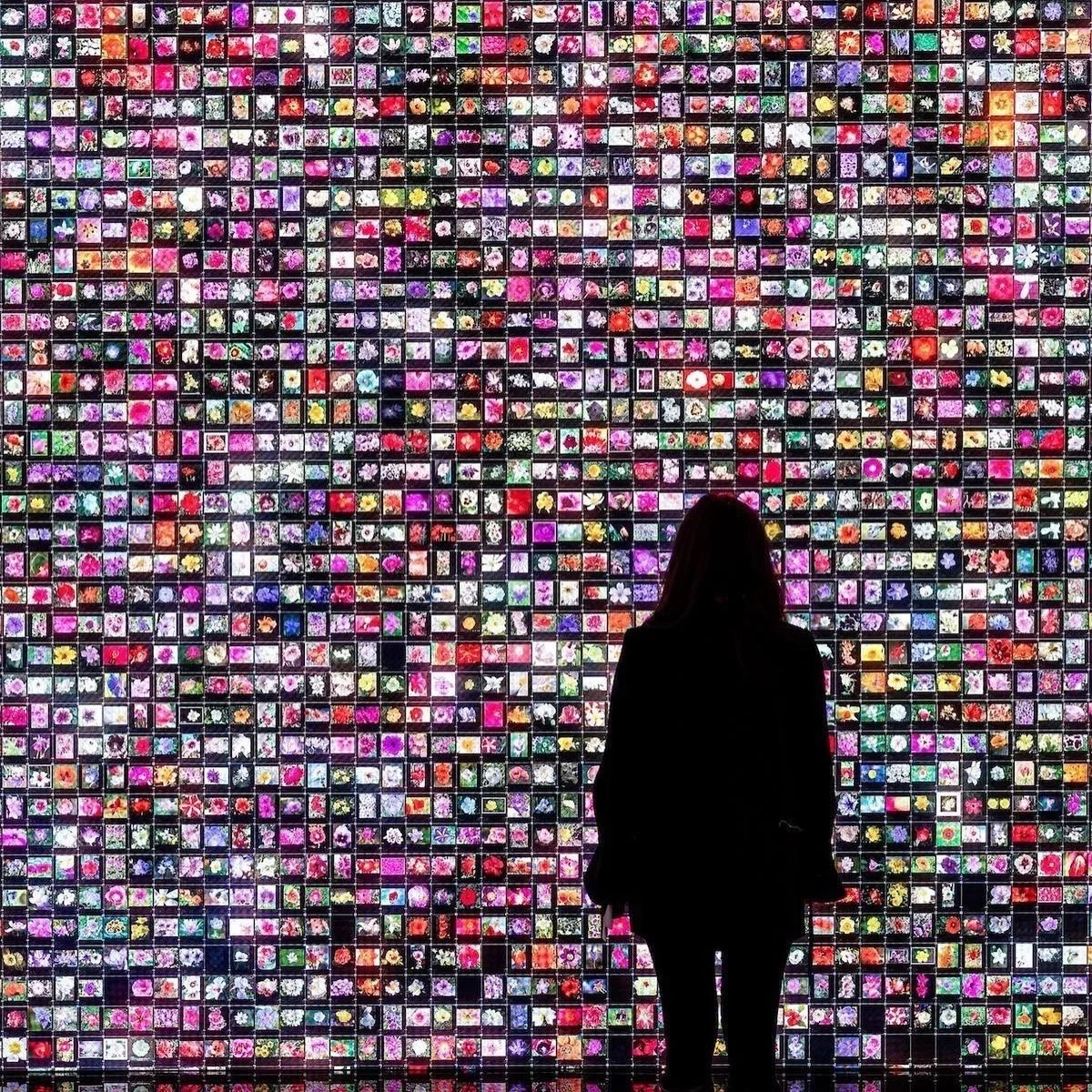
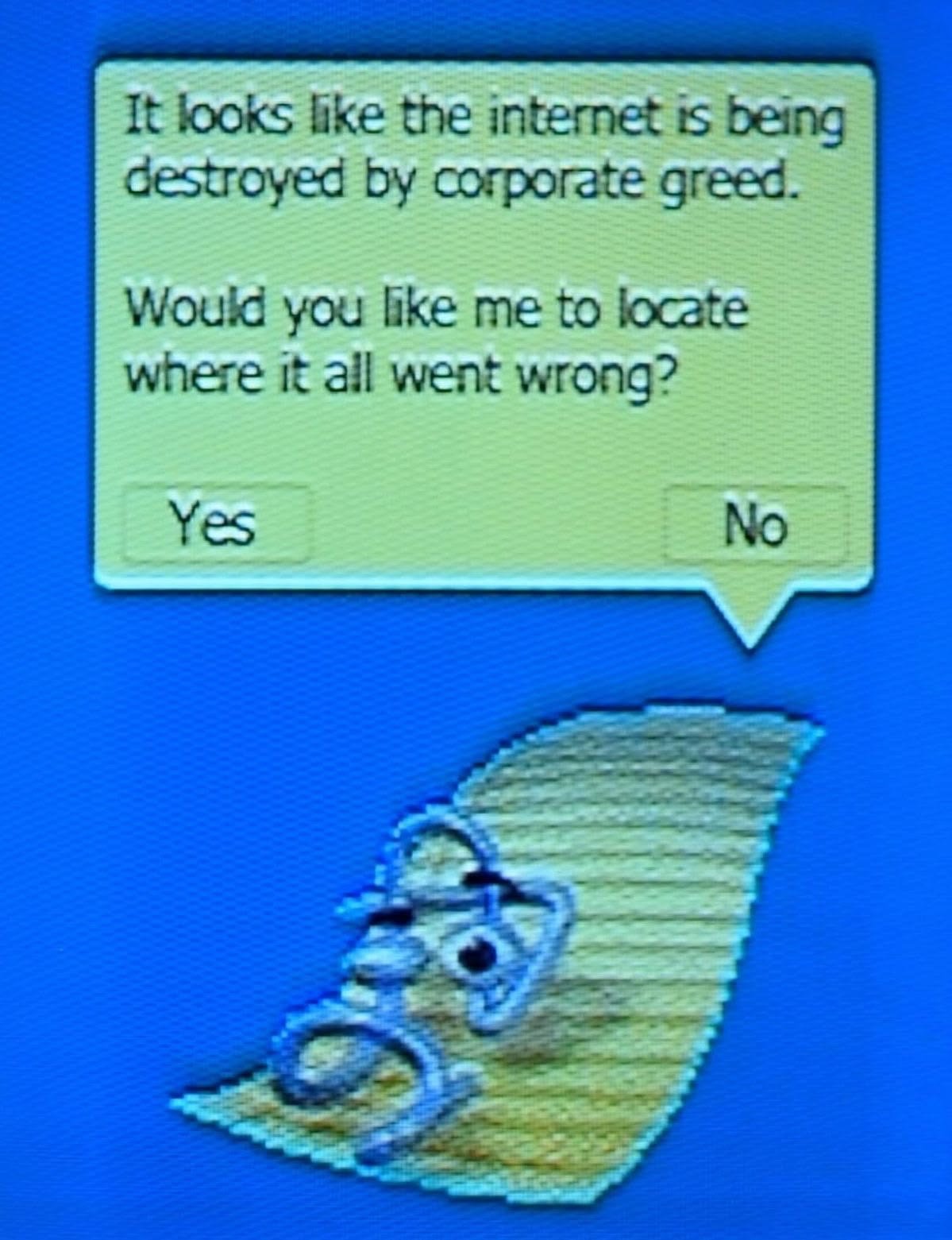
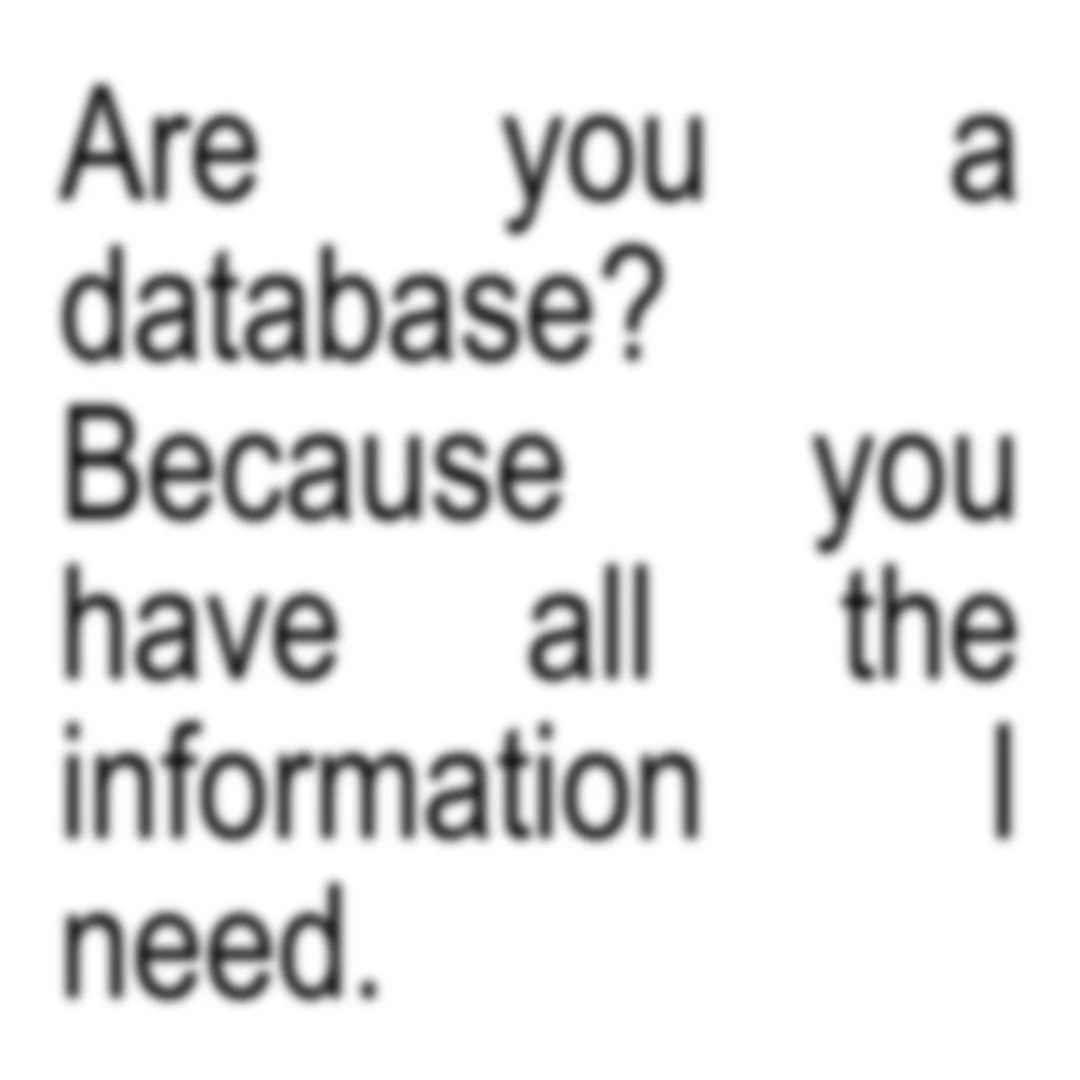
From left:
Still from the project “data-verse” by Ryoji Ikeda; found via Pinterest, shared by user FLAWD
Found via Pinterest, user unknown
Found via Pinterest, shared by user Ashish Kumar
References
Cohen, R. (2008, September 14). Premiumize or perish. The New York Times. https://www.nytimes.com/2008/09/15/opinion/15cohen.html
Craig, M. J. A., & Child, J. T. (2025). Creepy, invasive, and exploitative algorithms: A CPM analysis of users’ privacy breakdowns and recalibration practices with social media algorithms. Human-Machine Communication, 10, 223–242. https://doi.org/10.30658/hmc.10.10
Lonsdorf, K., Joffe-Block, J., & Anderson, M. (2026, March 4). ICE has spun a massive surveillance web. We talked to people caught in it. NPR. https://www.npr.org/2026/03/04/nx-s1-5717031/ice-dhs-immigrants-surveillance-confrontation-deportation-mobile-fortify
Taylor, D. (2016). Performance (1st ed.). Duke University Press. https://doi.org/10.1215/9780822375128
